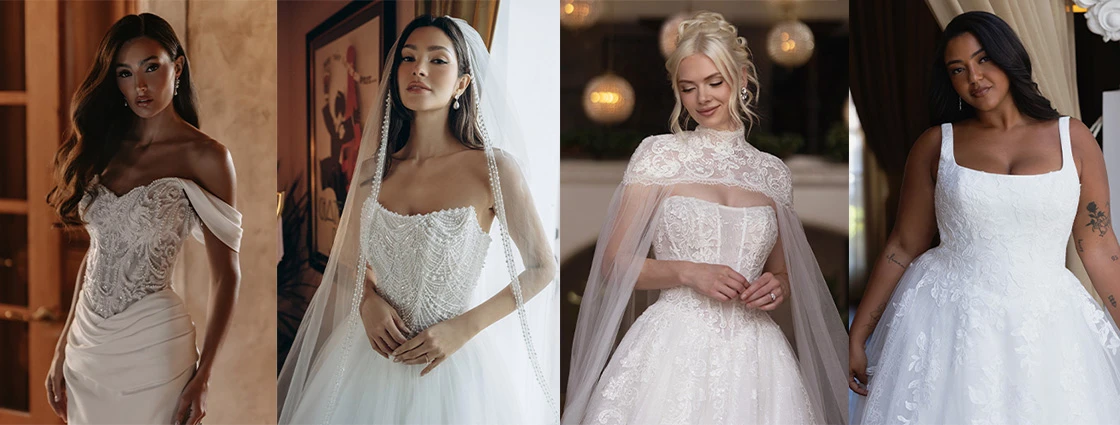
While finding your gown is one of the most exciting moments of your bridal journey, wedding dress alterations are what transform a beautiful dress into a custom-made look. From perfecting the fit to adding personalized details, alterations help ensure you look and feel your absolute best on your wedding day.
Whether you’re wondering when to schedule your first fitting, how much alterations cost or what adjustments are possible. This guide covers everything you need to know before heading to your first appointment.
This article is part of our Ultimate Wedding Dress Shopping Guide.
What are wedding dress alterations?
Wedding dress alterations are professional adjustments made to improve the fit, comfort and overall appearance of a bridal gown.
Most wedding dresses are ordered in standard sizes rather than custom measurements. Because every bride is unique, alterations help tailor the gown to your body, personal style and wedding-day needs.
Common wedding dress alterations include:
- Hemming the length
- Taking in or letting out the bodice
- Adding a bustle
- Adjusting straps or sleeves
- Modifying the neckline
- Adding custom design details
Think of alterations as the final step that transforms your dress into a look that feels truly yours.
Why are wedding dress alterations important?
A wedding dress can be stunning when you first try it on, but alterations help bring out its full potential.
Professional tailoring can:
- Create a more flattering silhouette
- Improve comfort and support
- Ensure the proper length for your wedding shoes
- Allow for easier movement and dancing
- Personalize your bridal style
- Boost confidence on your wedding day
At True Society, we believe every bride deserves a gown that celebrates their individuality. Alterations are often the finishing touch that helps a bride feel completely comfortable and confident from the walk down the aisle to the last dance.
When should you start wedding dress alterations?
One of the most common questions brides ask is, “when should I schedule my wedding dress alterations?”
While every wedding timeline is different, most brides should begin alterations approximately two to three months before the wedding date. Starting early helps ensure there’s enough time for fittings, adjustments and any custom changes you may want to make.
Wedding dress alteration timeline
| Timing | What to expect |
| 8–12 months before your wedding | Purchase your wedding dress. Ordering early allows time for production, shipping and alterations without feeling rushed. |
| 2–3 months before your wedding | Schedule your first alterations appointment. Your seamstress will evaluate the fit, pin adjustments and discuss customization options. |
| 6–8 weeks before your wedding | Attend your second fitting. Most major alterations will be completed, allowing your seamstress to refine the fit and make final adjustments. |
| 2–4 weeks before your wedding | Complete your final fitting. This is your opportunity to ensure everything fits comfortably and beautifully. If your gown has a train, you’ll also learn how to bustle it for the reception. |
| Wedding week | Pick up your gown and store it properly until the big day. Avoid making significant changes at this stage unless absolutely necessary. |
What if you have a short engagement?
Don’t panic.
Many brides successfully navigate alterations on shorter timelines, especially when purchasing an off-the-rack wedding dress. The key is communicating your wedding date early and working with experienced bridal professionals who can guide you through the process.
True crew tip
Once alterations begin, it’s helpful to maintain a relatively consistent size. Significant body changes can affect the fit of your gown and may require additional adjustments closer to the wedding date.
What wedding dress alterations are most common?
Every wedding dress is unique, but these are some of the most common alterations brides request.
Hemming
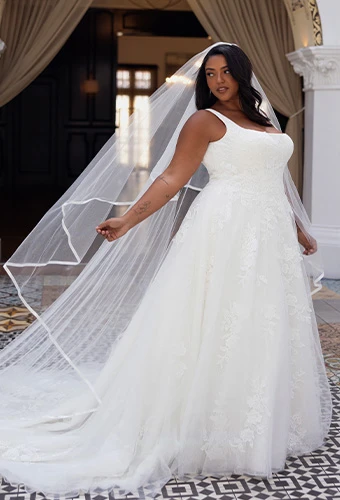
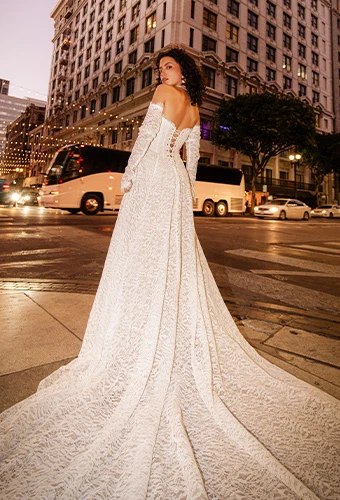
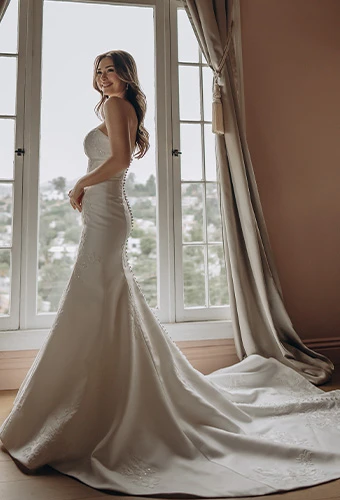
Nearly every bride requires some form of hemming.
Your seamstress will adjust the length based on your height and wedding shoes to ensure you can walk comfortably and confidently throughout the day.
Pro tip: always bring the exact shoes you plan to wear on your wedding day to your fitting appointments.
Taking in or letting out the bodice
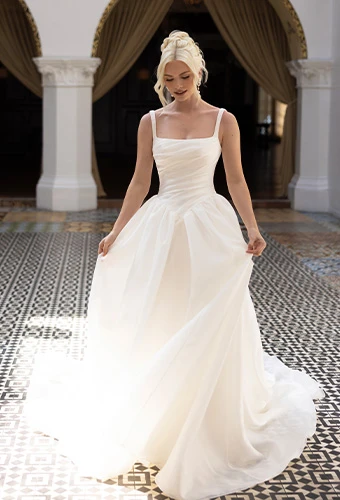
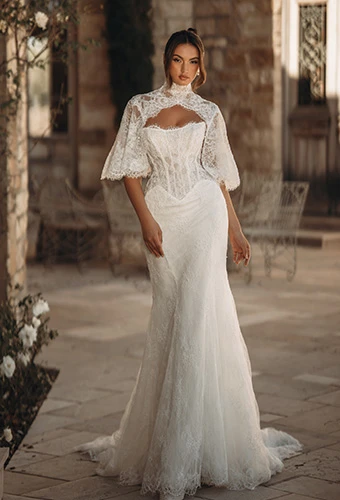
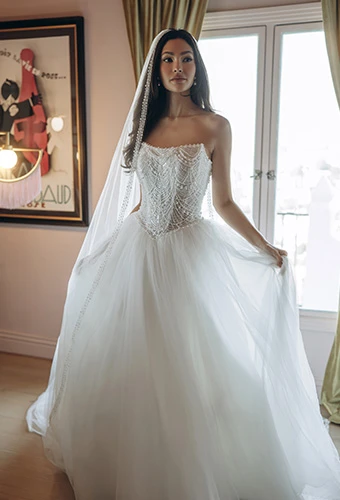
A secure fit through the bust, waist and hips is essential for both comfort and appearance.
Taking in the bodice creates a more fitted silhouette, while letting out certain areas may improve comfort and mobility.
Adding a bustle
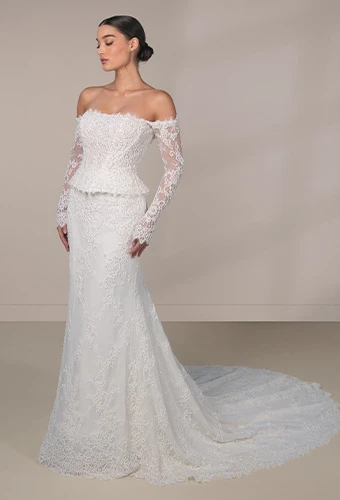
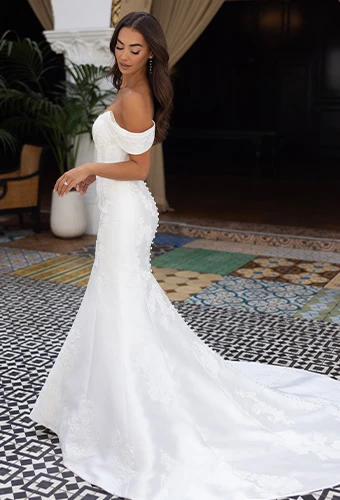
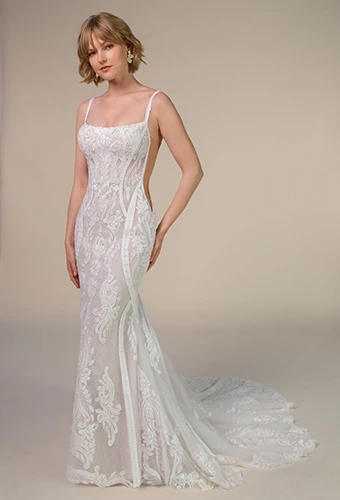
A bustle lifts and secures your train after the ceremony, making it easier to move, dance and celebrate during the reception.
There are several bustle styles, and your seamstress can recommend the best option based on your gown’s silhouette and train length.
Sleeve and strap adjustments
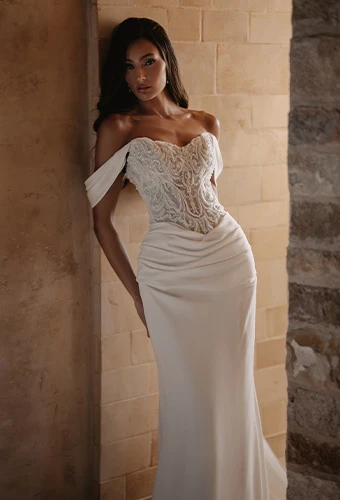
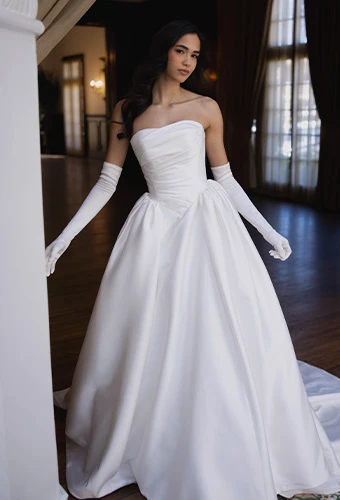
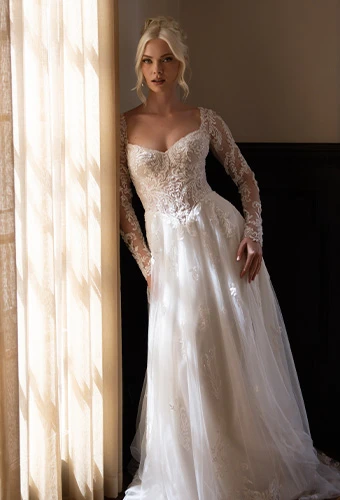
Looking for additional support or a different bridal aesthetic?
Many gowns can be customized with:
- Detachable sleeves
- Off-the-shoulder straps
- Long sleeves
- Cap sleeves
- Wider straps
These additions can dramatically change the overall look and feel of your gown.
Neckline modifications
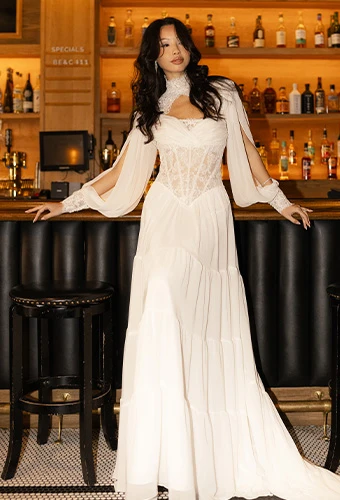
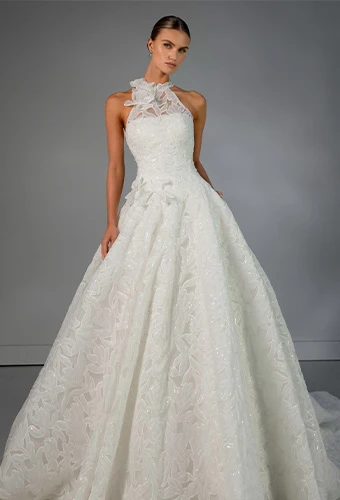
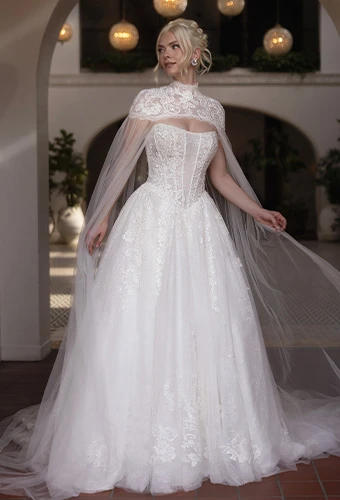
Some brides prefer more coverage, while others want to emphasize specific design elements.
Depending on the gown’s construction, necklines can often be raised, reshaped or customized.
Custom design details
For brides looking to add a personal touch, alterations may include:
- Lace appliqués
- Additional beading
- Sparkling embellishments
- Modesty panels
- Extra buttons
- Custom sleeves
These thoughtful details can help create a one-of-a-kind bridal look.
How much do wedding dress alterations cost?
Wedding dress alteration costs vary depending on the gown, the complexity of the work and your local market.
Several factors can influence pricing, including:
- Fabric type
- Number of layers
- Lace placement
- Beading and embellishments
- Construction complexity
- Custom design changes
Simple hems and minor adjustments typically cost less than extensive redesigns or heavily embellished gowns.
Budget-friendly tip
When budgeting for your wedding dress, remember to set aside funds specifically for alterations.
Many brides focus on the cost of the gown itself and forget to account for tailoring, but alterations are an important part of achieving your final bridal look.
What should you bring to your alteration appointments?
Arriving prepared helps ensure the most accurate fit possible.
Wedding dress fitting checklist
What to Bring:
- Wedding shoes
- Bridal undergarments
- Shapewear (if applicable)
- Veil
- Jewelry
- Hair accessories
- Inspiration photos
The closer you can replicate your wedding-day look, the more accurate your alterations will be.
Questions to ask your seamstress
Consider asking:
- How should my dress feel when properly fitted?
- Are there any limitations to the alterations I want?
- When is my final fitting?
- How should the gown be stored and transported?
True crew tip
Practice sitting, walking and dancing during your fittings.
If something feels uncomfortable during an appointment, it will likely feel even more noticeable during a full wedding day.
How Do Alterations Differ by Dress Style?
Different wedding dress silhouettes require different tailoring techniques. While every gown is unique, here’s what brides can typically expect during the alterations process based on their dress style.
| Dress Style | Common Alterations & Considerations |
| A-Line Wedding Dresses | Hem adjustments, waist refinements and minor bodice shaping are the most common alterations. The universally flattering silhouette often makes alterations relatively straightforward. |
| Mermaid & Fit-and-Flare Wedding Dresses | These fitted silhouettes require precise tailoring through the bust, waist, hips and thighs. Even small adjustments can significantly impact the overall fit and shape of the gown. |
| Ballgown Wedding Dresses | Multiple layers of fabric often make hemming more time-consuming. Ballgowns may also require a more intricate bustle to support a fuller skirt and longer train. |
| Simple Crepe Wedding Dresses | Minimalist gowns showcase every seam, making precise alterations especially important. A perfectly tailored fit is key to achieving a clean, sophisticated look. |
| Lace Wedding Dresses | Alterations may require carefully repositioning lace appliqués or preserving intricate patterns, which can make tailoring more detailed than with plain fabrics. |
| Plus-Size Wedding Dresses | Alterations often focus on enhancing support, structure and comfort while maintaining the gown’s intended silhouette. An experienced seamstress can help ensure the dress feels secure and flattering throughout the day. |
No matter which silhouette you choose, your seamstress will tailor your gown to your unique proportions and help you achieve a comfortable fit that lets you move with confidence.
What alteration tips should you know for your wedding venue?
Your wedding venue plays a bigger role in your alterations than you might think. From navigating sandy beaches to gliding across a ballroom floor, your seamstress can help tailor your gown to suit your setting and ensure you’re comfortable throughout the day.
| Wedding Venue | Alteration Considerations |
| Beach Wedding | Consider a slightly shorter hem to prevent dragging in the sand. Lightweight fabrics and a simple bustle can also make movement easier. |
| Garden Wedding | Grass, gravel and uneven terrain may call for a slightly raised hemline. Ask your seamstress about bustle options that help keep your train clean and manageable. |
| Vineyard Wedding | Outdoor vineyard venues often combine grass, stone pathways and varying elevations. A comfortable hem length and secure bustle can help you move confidently throughout the celebration. |
| Ballroom Wedding | Formal indoor venues can accommodate longer trains, dramatic silhouettes and more elaborate bustles. This is a great setting for statement-making bridal style. |
| Historic Venue Or Church | Traditional venues often pair beautifully with cathedral trains and classic silhouettes. Alterations can help ensure longer trains lay properly and move gracefully. |
| Destination Wedding | If you’re traveling with your gown, discuss transportation and packing considerations during your final fitting. Your seamstress may have recommendations to help minimize wrinkles and preserve the dress’s shape. |
| Barn Or Rustic Wedding | Depending on the terrain, a slightly shorter hem may help prevent dirt and debris from collecting on the gown. Comfortable movement is often a priority in these settings. |
No matter where you’re celebrating, be sure to share details about your venue during your alterations appointments. The more your seamstress knows about your wedding day plans, the better they can tailor your gown to fit both your style and your surroundings.
Frequently asked questions about wedding dress alterations
How Many Fittings Will I Need?
Most brides attend two to three fittings, though more complex alterations may require additional appointments.
Can A Wedding Dress Be Made Bigger?
Many gowns can be let out slightly, depending on available seam allowances and the dress’s construction.
What Happens If I Lose Weight Before My Wedding?
Notify your seamstress as soon as possible if significant changes occur after alterations begin.
Do I Need A Bustle?
If your gown has a train, a bustle is highly recommended for comfort and mobility during the reception.
Should I Bring My Veil To Fittings?
Yes. Bringing your veil allows you to see your complete bridal look and ensure all your accessories work together beautifully.
Can Alterations Completely Change A Dress?
Some customizations are possible, but every gown has design limitations. Your seamstress can advise which modifications are realistic for your specific dress.
Your dream dress, tailored to you
Wedding dress alterations are about more than measurements and seams. They’re about creating a bridal look that feels comfortable, confident and authentically you.
From perfecting the fit to adding meaningful personal touches, alterations help transform your gown into a reflection of your unique love story. When every detail feels just right, you can focus on what truly matters: celebrating your happily ever after with the people you love most.
Ready to find a wedding dress worth tailoring to perfection? Visit your nearest True Society bridal shop and let our expert true crew help you discover a gown that feels truly yours. Book an appointment today and begin your journey to becoming a #truebride.